
Infrastructure so reliable, our customers forget it exists - Joel Tosi on building payments tech.
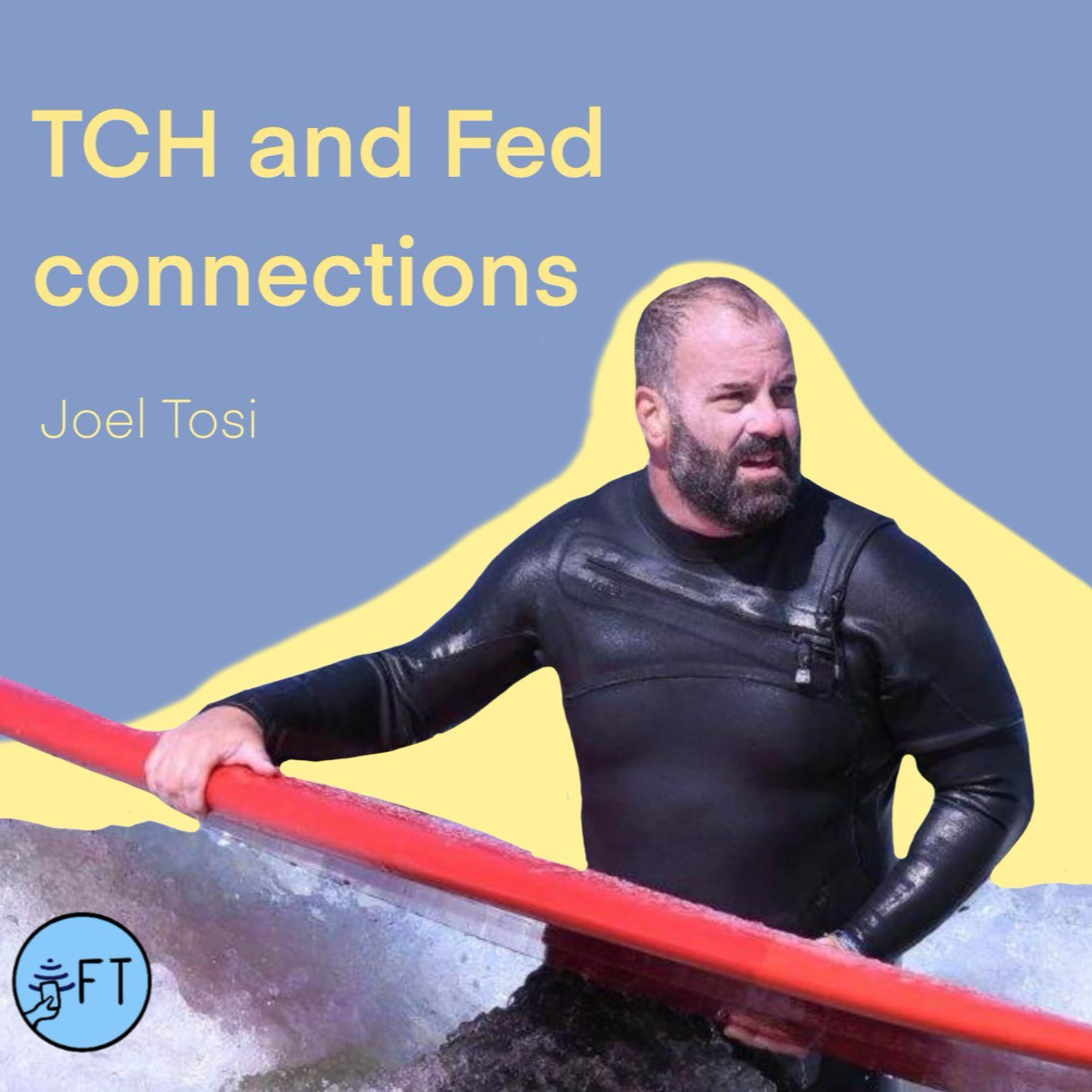








Joel Tosi, the CTO at Moov Financial in this episode talks about the importance of building sustainable payments infrastructure, the future of PSPs, implications of being a tech-first PSP and more!
Documentation MCP server (for AI to ingest): https://docs.moov.io/guides/developer-tools/mcp-ai/docs-mcp/
Follow our Substack: https://aftfinance.substack.com/
AFT podcast interview: Joel<>Konstantin - Transcript
Konstantin Dubovitskiy: And today as a guest speaker we have Joel Tossi the CTO of Move Financial. In the past episode we were talking about a very specific subject which is direct connection of Move to the clearing house and the Fed the results of it. How is it actually structured and if you have no idea what I'm talking about I would suggest you go and take a look at that one after you finish listening to this one. So today we're going to talk a little bit more abstractly um or actually sorry less abstractly and talk about specific partnerships that had resulted from direct integration with the clearing house and the fed who actually benefits from it what does it look like and other topics I can't think of right now so let's kick it off easy briefly tell us about yourself and you know your role
Joel Tosi: Sure.
Konstantin Dubovitskiy: at move as a CTO
Joel Tosi: Well, thanks for having me on, Constantine.
Konstantin Dubovitskiy: Oh.
Joel Tosi: I appreciate it. Um, a little bit of background about me. I guess I I'm feeling a little bit old.
00:00:55
Joel Tosi: I've crossed the uh the 25 year mark in payments. Um,
Konstantin Dubovitskiy: Oh, damn.
Joel Tosi: so I'd say my hairline and my beard definitely reflect uh the 26 years in payments. Um, but I guess the the the cool thing is that there's still a lot of evolution happening in payments. Um, so it's still a very exciting uh space to for for at least for me to play in. Um, I guess a little bit about how I got into payments. Um, my entry into payments actually was born out of failure. Um, was part of a a startup um during the dot era. Uh and like a lot of companies during that era,
Konstantin Dubovitskiy: Oh,
Joel Tosi: we didn't make it. Um so um I guess you know I guess the takeaway was I learned a tremendous amount uh very early on um in my startup career and uh you know I think that led me to just really being addicted to startup life. Um when that company wound down I you know I landed in payments really by accident.
00:01:57
Joel Tosi: um started consulting for a payments company and I quickly realized that it was one of the best decisions I I'd made, you know, and it was purely accidental. Um and what I learned was payments are one of those rare industries that are genuinely resilient to the cycles of the economy, right? So recessions, booms, bubbles, money is always moving. Um,
Konstantin Dubovitskiy: Mhm.
Joel Tosi: and I think, you know, that durability combined with the tech technical complexities of of payments really just, you know, felt like home to me. And then, uh, after that, um, I went full-time with a payments company. Um, and I was fortunate, uh, to to be part of that company as well as a subsequent company um, for two exits. Um, so my path to CTO, uh, really, you know, I'd like it. I'd like to tell you it was planned and that's what I aspired to. It really wasn't. I'm a uh, you know, I'm a CTO. Um, I guess by happen stance to be honest. Um, you know, I just I literally just wanted to solve hard problems and I built my way through every technical role in payments, right?
00:03:21
Joel Tosi: Building business systems to run payment companies, uh, payment gateways, then full processors, right? Really kind of across multiple rails. So, it wasn't just cards, it was AC, and then in the modern era, you know, it's RTP, Fed Now, um, push and pull to debit. So, I just, you know, and then and then issuing as well. Um,
Konstantin Dubovitskiy: Yeah.
Joel Tosi: you know, at some point, I guess I just, as I was building all this stuff out, I realized that, you know, I really shouldn't be doing this by myself. And I started finding people who are much much better than me at these specific things. Um, and then I just started building teams, right? And, and that kind of led me into um, becoming a CTO. And I think on top of that, I I was fortunate too to have a really strong business mentor. um you know he just he taught me you know really not anything about engineering but taught me about
Konstantin Dubovitskiy: Okay.
Joel Tosi: leadership and business finance and how to you know sales and how to sell and then you know being on the buy side and sell side of companies.
00:04:23
Joel Tosi: Um so I think you know just that that experience coupled with you know a deep technical experience really kind of shaped me into being a CTO. Um, and then my job at MOVE is is really all of that, taking all of that experience and really, you know, applying it to what I would consider the hardest problem in fintech, and that's making it genuinely easy for for people to move
Konstantin Dubovitskiy: Mhm.
Joel Tosi: money.
Konstantin Dubovitskiy: Let's talk about that simplicity and specifically the complexities underneath which is what we were talking about in the last episode with Adam Shannon which is the founding engineer of move. So um there we were talking about the direct connection to the Fed and the TCH.
Joel Tosi: Yep.
Konstantin Dubovitskiy: Can you just briefly recap for the people who are too lazy to go back to the previous episode what does you know direct integration actually entail?
Joel Tosi: Yeah. I I I think it it's worth framing this, right, in terms of what what kind of default looks like. um because I I do think that that makes the direct connection story a lot more meaningful, right?
00:05:28
Joel Tosi: So the way the way most most processors work is is through layers.
Konstantin Dubovitskiy: Yeah.
Joel Tosi: Um you have a you know a business or a fintech that wants to move money and they work with a processor.
Konstantin Dubovitskiy: Yeah.
Joel Tosi: that processor works with a sponsor bank and that sponsor bank is the one who in the case of of um the Federal Reserve or the clearing house right or Fed a Fed now Fed wire the bank is typically the one I think Adam called this out that actually touches those networks um and you know every layer in that
Konstantin Dubovitskiy: Yep.
Joel Tosi: chain right adds cost it adds latency and it adds a potential point of failure Um I would say too you know more critically you know every layer means less v visibility and less control over what is actually happening to a payment in real time. Um so you know it's I think a lot of times people focus on those first three things and really you
Konstantin Dubovitskiy: Mhm.
Joel Tosi: know when and and when the there's happy path um thing things are you know it would make sense to focus on those three things but when it's sad path u when when something happens having that level of visibility and control it really comes into play um and so you know I think Adam called out like what we do is um you know we have connections directly into the Fed, right?
00:06:53
Joel Tosi: And that means the ability to do Fed a soon,
Konstantin Dubovitskiy: Mhm.
Joel Tosi: Fed wire and uh Fed now. And then we also connect directly to the clearing house for RTP,
Konstantin Dubovitskiy: Yep.
Joel Tosi: right? And so what we're doing is we're cutting out all of those intermediary layers. Um and the benefits are significant, right? So first if you look at speed um you know when you get faster settlement because you're not waiting on a chain of you get faster settlement because you're not waiting on a ch a chain of handoffs right I think you touched on
Konstantin Dubovitskiy: Yeah,
Joel Tosi: it during the last podcast that you know yeah that banks you know with Adam right like
Konstantin Dubovitskiy: sorry.
Joel Tosi: that banks you know could they'll build in buffer for example when you or you know maybe not just the banks but you know anybody in that chain will build in bu build in buffer um so being able to go directly to the rail means you inherently gain speed. Um, and you're you're playing by the the the network's rules, not by the, you know, the intermediaries in the chains rules.
00:07:54
Konstantin Dubovitskiy: Yep. Yep. And the network rules are generally better. Um let's let's touch a little bit on the speed here and then we'll move on to specific
Joel Tosi: Cool.
Konstantin Dubovitskiy: examples of what it actually looks like. Um when we're talking about instant payments like you know you mentioned RTP which is the direct relation with the clearing house. I'm assuming you're not talking about that speed because it's going to be instant across the board. Or are you talking about, you know, shaving off 5
Joel Tosi: Yeah, I mean I I am talking about you know shaving off of you know shaving seconds off but but also
Konstantin Dubovitskiy: seconds.
Joel Tosi: just the you know the the settlement of funding as well right the actual money movement behind the scenes. Uh so um but yeah I think you know 5 seconds matters
Konstantin Dubovitskiy: Mhm.
Joel Tosi: in some use cases. Um and you know I think also thinking about again just you know cost and points of failure right um so you have a better maybe said better you know speed to also ensure that the transaction um actually occurs or happens
00:09:00
Konstantin Dubovitskiy: Mhm. You've mentioned something that most likely is more interesting to most of our listeners than shaving off couple of seconds off transaction. You said cost cutting. Um can you briefly share how the cost cost structure looks like for move when it comes to direct
Joel Tosi: Yeah.
Konstantin Dubovitskiy: integration with the clear house and the
Joel Tosi: Yeah. So I think you know because we're the the conduit
Konstantin Dubovitskiy: Fed
Joel Tosi: um directly into those rails you know we're we're receiving you know what I call um you know wholesale costs from from those networks right um and when when you don't have intermediaries in the mix um you don't have you know the the the pressure from those intermediaries to take a cut of the payment. So, um it allows us to be a lot more um competitive from a a cost perspective um because you have fewer fees stacking up on every
Konstantin Dubovitskiy: Mhm. Makes sense.
Joel Tosi: transaction.
Konstantin Dubovitskiy: Yeah. The bottom line there is again we're going directly there are just fewer hands to for us to grease let's call them that way.
00:10:10
Konstantin Dubovitskiy: Um,
Joel Tosi: Yeah, that's true.
Konstantin Dubovitskiy: obviously there is no greasing happening
Joel Tosi: Yeah, I mean that's a good way to put it. That's right. I tried to put a little trigger on it,
Konstantin Dubovitskiy: just yeah know I'm just being dramatic.
Joel Tosi: but yeah, that's
Konstantin Dubovitskiy: Obviously no hands are being greased. Uh, but again network fees are lower than bank fees.
Joel Tosi: Well, and you know, I mean, and I can argue that,
Konstantin Dubovitskiy: Um,
Joel Tosi: you know, by simply just providing a capability, right, um, to a payment rail um, in and of itself, right, is not value creation. um you know and and so you know I I have a strong belief that um payments is evolving and will continue to evolve regardless of the rail to a place where um you know you're it's our job right to enable our customers and our customers customers to to grow their business not just simply give them a
Konstantin Dubovitskiy: Yes. How do you as a CTO do it? That was one of my follow-up questions, which is, you know, what is your focus as a CTO?
00:11:10
Konstantin Dubovitskiy: Since you brought it up, let's talk about that. Um, what is the value creation that you see PSPs uh making?
Joel Tosi: Yeah, I think you know it's meeting it's meeting their customers needs um fundamentally right and you know whether that's um you know sorry my phone's ringing Um, I should have muted myself. I knew this was going to happen.
Konstantin Dubovitskiy: all's
Joel Tosi: Um, so it's really kind of meeting the customer's needs where they're at,
Konstantin Dubovitskiy: good.
Joel Tosi: right? I mean, you know, if it's loan dispersements, right? Um, it's, you know, getting that money once that loan is approved, getting that money into the hand of hands of a small business, right, as quickly as possible. And and that money might mean the difference of them making payroll or or buying the necessary inventory they need to to run their business. um you know said better like you know it not in all cases but you have to assume in some cases that it's you know that that access to money and the availability of funds um in some cases impacts the longevity of a business um and I think we like in this country to talk about you know the large
00:12:18
Konstantin Dubovitskiy: Mhm.
Joel Tosi: corporations and and don't get me wrong those corporations uh play an important part of you know, in our economy, but um small businesses are are kind of the lifeblood of of the
Konstantin Dubovitskiy: Yeah.
Joel Tosi: country. And um you know, they're not sexy. They're not talked about a lot. Um but um you know it's I see my job in in not just helping big companies but also you know helping um smaller businesses and and you know I think we do that at Move um you know by helping ISVS and and PSPs, right? um service those companies um and you know and through the the lens of getting them money when you know when they need it. Making it easy for them to to send and receive
Konstantin Dubovitskiy: Yeah, it's I'm I'm going to interpret it and correct me if I'm wrong in my interpretation.
Joel Tosi: funds.
Konstantin Dubovitskiy: It's just the stuff that's built on top of the actual rail. It's the, you know, accessibility of on boarding new merchants. Uh it's the ease of running the KYC KYB.
00:13:27
Joel Tosi: Yep. Yep.
Konstantin Dubovitskiy: It's the uh you know full stack of pushpull adding bank accounts uh without having
Joel Tosi: Yep. Optionality,
Konstantin Dubovitskiy: a third party agreement.
Joel Tosi: right? Optionality, ease of use.
Konstantin Dubovitskiy: Yep.
Joel Tosi: You nailed it.
Konstantin Dubovitskiy: And it's all in
Joel Tosi: Onboarding data and reporting, right? I think that's the other piece, too. You actually bring up a good point.
Konstantin Dubovitskiy: line.
Joel Tosi: Um, you know, I think a lot of times the what I call the bookends of of money movement, right, which is onboarding and data and reconciliation are often overlooked, right? Um, but they're they're critical to to to exactly what we're talking
Konstantin Dubovitskiy: Yeah. Yeah, data reconciliation question that I'm not fluent even at the slightest.
Joel Tosi: about.
Konstantin Dubovitskiy: So, let's let's talk about that. It was not part of my plan for today, but let's let's let's chat about that.
Joel Tosi: Yeah, let's
Konstantin Dubovitskiy: That's the question that I've been asked before and that I kind of struggled to answer.
00:14:11
Joel Tosi: go.
Konstantin Dubovitskiy: So, share more about what move has done in that specific sector. From my understanding as a non-technical person,
Joel Tosi: Yes.
Konstantin Dubovitskiy: I'll just briefly brief you on what I understand which is limited.
Joel Tosi: Yeah, I I think you know historically, right, again, you know, just kind of looking back over 26 years in payments, um historically that that data, right? Um so what we're talking about here is is you know after a transaction has occurred
Konstantin Dubovitskiy: Mhm.
Joel Tosi: right and that could be pushing money you know it could be sending money it could be receiving money um
Konstantin Dubovitskiy: Yeah.
Joel Tosi: you know you see receive a request you put it down the rail you get a response back and then you know that data that initial request is augmented with network data um and then there could potentially be follow-on data depending on the network right so um you know setle is a great example for card acquiry that happens at the end of the day and that generates a whole set of of data from the network on top of the authorization and capture data.
00:15:16
Joel Tosi: Um and historically all that data came back and basically what was um a a reporting format that was designed to be printed on you know like on green bar paper. Um, so you're talking like reports that were designed to be printed on dot matrix printers and um I mean I used to have whole armies of of people just taking those reports and parsing data off of them. Um, and it was an arduous task. I mean, you know, if if one single character, if one, you know, if one carriage return was was introduced to that that report, it would break the parsers.
Konstantin Dubovitskiy: Mhm.
Joel Tosi: Um,
Konstantin Dubovitskiy: The
Joel Tosi: and yeah, I mean, just absolutely horrendous, right?
Konstantin Dubovitskiy: light.
Joel Tosi: And and and you you know, and then I was beholden to whatever system, right, thinking about that layer cake, you know, whatever system or systems that were sitting in front of me. Um,
Konstantin Dubovitskiy: Yep.
Joel Tosi: and so at Move, so it's a long-winded way. I I felt like I had to I had to set the tone because what we've done is, you know, we've built modern infrastructure and made it incredibly easy um for our customers to have access to all of this rich payment data.
00:16:43
Joel Tosi: Um, and we, you know, we do the the the the typical things, right? You could make an API request to us and pull the data set back. Um you can um subscribe to uh web hooks, right?
Konstantin Dubovitskiy: Mhm.
Joel Tosi: And we'll post um a a call to an endpoint that's built to our specification sitting in your environment. Um and and I think all of you know those two architectural patterns have been around for a while. Um and they work there. There's nothing wrong with them inherently. Um, you know, I would say they've got some cons. Um, but you know, but they do work. I think what's interesting about move is we've taken that a step further and we've we recognize that um there's a subset of customers who run you know a data warehouse in their infrastructure for example and um they can actually hook into Move and receive you know streams of transactional data um directly from our warehouse into their warehouse. house and that happens in you know I I call it near real time.
00:17:57
Joel Tosi: Um, in addition to that, you know, there's also more modern design patterns that we're supporting um that take advantage of things like
Konstantin Dubovitskiy: Mhm.
Joel Tosi: Kafka, right? Where um, you know, we'll create a topic that we share with a customer, a Kafka topic and we'll publish events to that topic and and our customers can subscribe uh to that topic and receive those events, right? which you know the beauty of that kind of solution is you know Kafka is designed for massive amounts of durability and and basically what I mean by that is to guarantee that those messages are received right so um with that durability there's a better consistency and and a stronger guarantee that uh when we produce a message it's going to be put onto the topic and and inherently consumed by our customer. I think also what's nice about topics, you know, in that way too is sorry if I'm nerding out a little bit, but um you know I I I think you know it's also it gives the our customers the freedom to consume whenever they're ready, right?
00:19:01
Joel Tosi: And um and these topics are highly scalable. So if if they do, you know, we've got customers who do massive amounts of AC volume in a very short window and uh you know,
Konstantin Dubovitskiy: Mhm.
Joel Tosi: something like a Kafka topic is a great way for us to stream massive amounts of transaction volume um to them and and not like DDoS them or overwhelm them um through something like a web
Konstantin Dubovitskiy: Okay, let's let's let's dumb it down a little bit.
Joel Tosi: hook.
Konstantin Dubovitskiy: Um, I myself am not tech. I'm trying to be, but I have not processed that. Like, if you ask me to recap that, I would not be able to. So, let's let's do that again because I'm assuming I'm not alone in this.
Joel Tosi: Yeah,
Konstantin Dubovitskiy: Um,
Joel Tosi: I mean again I think that the TLDD the TLDDR there Constantine is that you know
Konstantin Dubovitskiy: yes.
Joel Tosi: like we talk about optionality in payments rails right? Um, this is also optionality in data and reconciliation fundamentally,
Konstantin Dubovitskiy: Yeah.
Joel Tosi: right?
00:19:57
Joel Tosi: Like meeting our customers where they're at. Um, and and giving them optionality um to consume, you know, data from a reconciliation standpoint in a way that best meets their business.
Konstantin Dubovitskiy: And that is direct connection to their data warehouse which means what exactly?
Joel Tosi: Um so that means that you know we have a warehouse where we store all of our you know all of the the the you know I'll call them events um that are produced by our platform.
Konstantin Dubovitskiy: Mhm.
Joel Tosi: Um so you you know if our customers have a data warehouse
Konstantin Dubovitskiy: Yep.
Joel Tosi: um they're they're not having to take that data for example and push it through intermediaries right so they like if it's a web hook right they they have to stand up a server stand up an build an endpoint to our specification receive a request from us every time an event happens take that event parse it and then push it to their warehouse, right? If we're talking warehouse to warehouse,
Konstantin Dubovitskiy: Yeah.
Joel Tosi: um you know, not to like there's not zero work, there's just significantly less work, right?
00:21:11
Joel Tosi: So, you again, you're reducing all that intermediary out of the mix and you're basically taking an event and
Konstantin Dubovitskiy: speak
Joel Tosi: maybe you have to do a little bit of formatting on the event, but you're dropping it directly into your warehouse without having to have servers
Konstantin Dubovitskiy: your warehouse. Okay.
Joel Tosi: and and endpoints built, right? uh to to uh consume those events.
Konstantin Dubovitskiy: Okay. I see. I see.
Joel Tosi: more streamlined, right? At the end of the day,
Konstantin Dubovitskiy: Um,
Joel Tosi: like we're we're helping save time and money at, you know, at our
Konstantin Dubovitskiy: so at which point does it actually make sense to get a direct connection to your warehouse?
Joel Tosi: customers.
Konstantin Dubovitskiy: Are we talking about 10,000 transactions per month? Are we talking about a million transactions per month? Who should be concerned about that? Who should Google
Joel Tosi: I yeah I mean I can make the argument
Konstantin Dubovitskiy: it?
Joel Tosi: that you know I guess I don't see it through the lens of like transaction volumes per se um you know because I can think of use cases where there's a startup who you know maybe they're they're just starting to get going um and or or it's a company that's established but they're introducing a new payment rail say through move um you know and and maybe they're
00:22:24
Konstantin Dubovitskiy: Mhm.
Joel Tosi: they know what the future holds and they build a warehouse um right out of the gate. Um you know I I think I think you know I think about these things not in like hard fast numbers but really what a business is trying to achieve. Um, and you know, I think we can I think the beauty of of move is if they want to start out with web hooks, there's nothing wrong with that, but then they have the ability to as their business matures and grows um and
Konstantin Dubovitskiy: Yeah.
Joel Tosi: their needs mature and and expand that we can ride along with them on that journey. Um, I think that's that's kind of more important to me than, you know, like hard fast numbers for these things. Um, it's more again meeting a a customer where they're at and and then
Konstantin Dubovitskiy: Yeah.
Joel Tosi: also, you know, where we're at now, also being in a position where we can be with them as they grow.
Konstantin Dubovitskiy: Yeah, back to that value creation around the actual rails, not just the rails.
00:23:28
Konstantin Dubovitskiy: Absolutely makes sense.
Joel Tosi: Yep.
Konstantin Dubovitskiy: Um, I wish I had some hard numbers so that I can say to prospects.
Joel Tosi: Yeah. I mean, I it's hard to say, you know. I I I I mean I obviously think
Konstantin Dubovitskiy: Yes, rough rough estimates. the first number that comes to mind where you see that number and you're like,
Joel Tosi: that
Konstantin Dubovitskiy: "Okay, this person should have a direct integration into their warehouse rather than going through the end
Joel Tosi: yeah I mean I I think yeah certainly at you know I mean I'm thinking of one
Konstantin Dubovitskiy: points."
Joel Tosi: client right who does again that same client who does massive amounts of volume in a short amount of time right because I think that's the other constraint that needs to be considered is it's not just like is it
Konstantin Dubovitskiy: Yeah.
Joel Tosi: you 10,000 transactions a month. I think when you have a lot of transactions in a very short window, um, taking advantage of a warehouse to warehouse or a like a shared topic in in Kafka becomes a stronger value proposition because you know you you like when you're when you're doing that kind of volume in a short amount of time um you have a higher propensity of things to like that you're going to create strain on something like a web hook right there's a
00:24:42
Joel Tosi: higher degree of failure because you're pumping so many transactions
Konstantin Dubovitskiy: Okay,
Joel Tosi: asynchronously to an endpoint and then the endpoint needs to keep up and and and and
Konstantin Dubovitskiy: nice.
Joel Tosi: ingest each one of those um you know HTTP requests into it.
Konstantin Dubovitskiy: Okay, that's where we're going to cut it off on the uh data reconciliation side. No, it's all good. It was interesting.
Joel Tosi: Sorry
Konstantin Dubovitskiy: Um, a lot of new terminology. Okay. Not new. I've heard all of this before. I did not understand most of it. Still don't. Not fully. But that's okay. That's I I'll I can live with that.
Joel Tosi: for these
Konstantin Dubovitskiy: I can live with that. Um,
Joel Tosi: days.
Konstantin Dubovitskiy: all right. On that note, let's let's talk about um I'm trying to decide on the next question if we want to talk about specific examples of our integrations uh with partners, you know, like Jet Henry or should we talk about um priorities of a CTO?
00:25:38
Konstantin Dubovitskiy: I I'll let you pick. You want to cover a specific example of a customer or talk about, you know, priorities of a
Joel Tosi: Yeah, I mean we could talk about,
Konstantin Dubovitskiy: CTO.
Joel Tosi: you know, I have no problem talking about Jack Henry and then maybe jumping in to to talk about priorities of a a
Konstantin Dubovitskiy: Let's let's do that. Let's do that. Let's start with the example of Jack Henry.
Joel Tosi: CTO.
Konstantin Dubovitskiy: Big partnership um massive company that is using move toft from my
Joel Tosi: Yep. Um yeah. Yeah.
Konstantin Dubovitskiy: understanding.
Joel Tosi: So you know I think you know they they call the product rapid transfers. Um which is really kind of a you know call it a metome or you know accountto
Konstantin Dubovitskiy: Mhm.
Joel Tosi: account transfer solution.
Konstantin Dubovitskiy: Yep.
Joel Tosi: Um and we should probably you know back up right and talk a little bit about Jack Henry right um you know one of the largest banking technology providers in the c in the country right? Um an S&P 500 company.
00:26:25
Konstantin Dubovitskiy: Mhm.
Joel Tosi: They serve thousands of community banks and credit unions in the US. Um and and um they're looking for, you know, I think I think what's interesting about Jack Henry and Move in the partnership is that both of these companies have kind of this modernization mindset, right? So um Jack Henry is trying to bring modern banking solutions to its customer base. Move is trying to bring modern, you know, payment solutions to its customer base. So there there's a lot of likemindedness in in our missions. And um and one of the things we've been working on and and we we released in the last year was a product they call rapid transfers, right?
Konstantin Dubovitskiy: Mhm.
Joel Tosi: Which is this capability, right? And what what does that mean? Uh that means moving, you know,
Konstantin Dubovitskiy: Huh?
Joel Tosi: Jack Henry's customers customers. So these would be the FI's customers right um their ability to move their own money between their accounts either same bank or typically separate bank um in real time using debit cards right so no routing numbers no waiting days for a to settle just you know enroll your debit card confirm and start moving money um and and underneath the hood Right.
00:27:54
Joel Tosi: Um Jack Henry is using MOVE's platform and our API endpoints uh including you know warehouse to warehouse data streaming. Um and you know Move is leveraging two products um one's called Visa
Konstantin Dubovitskiy: Mhm.
Joel Tosi: Direct and the other is called Mastercard send uh in order to enable this metome train capability. Um and and again what's what's being used here are debit cards, right? Um debit cards are a mechanism, right? Debit cards actually sit on top of your bank account. Um so they're a mechanism in which to move money bankto bank. Um and I think what's interesting about them is they're a lot more convenient than having to know your routing and account number. Um, you know, most people don't carry their account routing numbers in their pocket,
Konstantin Dubovitskiy: Indeed.
Joel Tosi: but they do carry their debit card or, you know, if not in their pocket on in on their phone. Um, I think what's also interesting is, uh, it's real time, um, 247 and, um, it also leverages the security mechanisms that come inherently in the the payment, the guardrails.
00:29:08
Joel Tosi: Um, so, um, you know, I I I think, you know, it's a it's a strong proposition. Um, and, um, I think, you know, kind of going back to what we're providing and what Jack Henry's providing, right? like we're providing the rail infrastructure, the settlement layer, the network relationships, the compliance, the data. And Jack Henry's, you know, bringing its own strengths to the table,
Konstantin Dubovitskiy: Mhm.
Joel Tosi: right? They're bringing their BNO digital banking application, um, which is really, you know, offers the UI UX experience for these, you know, the customers of these FIS. um they're also bringing in, you know, like interesting additional fraud prevention elements like their high-risk actions, right? So, um they're they're taking their expertise in helping to manage and and mitigate fraud at the banks and bringing that on top of, you know, the what what the what move and and the rails are providing. Um you know, it's it's interesting that um you know,
Konstantin Dubovitskiy: Mhm.
Joel Tosi: this isn't just a case of one party doing everything. It's really two organizations, right?
00:30:17
Joel Tosi: each doing what they're best at and combining it into something that neither really could have delivered on their own. I think uh what's also interesting is you know you've got support from Visa and Mastercard on this right um and you know that's you
Konstantin Dubovitskiy: Yes.
Joel Tosi: know from from all different dimensions right um whether that's being you know talking about things like cost and pricing marketing enablement um you know this is a this is a growth area for both card networks and I think what what makes this this partnership also work is just the the you know and I can't say it enough um the amount of tremendous support we have from Visa and Mastercard on these things like they're they're very very engaged with us and and Jack Henry on seeing this rapid transfers program be successful
Konstantin Dubovitskiy: And it better be. But yeah, that that's why I call move the payments infrastructure.
Joel Tosi: companies have a lot of time and energy invested in this but it is I you know we do like we have you know we have hundreds of you know
00:31:22
Konstantin Dubovitskiy: Yeah.
Joel Tosi: hundreds upon hundreds of FIS um enrolled in this in this capability
Konstantin Dubovitskiy: Mhm.
Joel Tosi: and you know and more and more every day like it's not like it's static like we are growing this day by
Konstantin Dubovitskiy: Yeah.
Joel Tosi: day um and uh you know it's it is it's you know it's up and to the right as as which is the the trajectory that that we like to
Konstantin Dubovitskiy: Indeed. Indeed. I can confirm that there are we're adding new credit unions on a daily basis. Almost on a daily basis. Um that being said, by the way, fun fact,
Joel Tosi: Yep.
Konstantin Dubovitskiy: uh Joel mentioned Bano, which is part of Jack Henry. Bano was also built by uh Wade. Joel, I don't know if you actually were involved.
Joel Tosi: No,
Konstantin Dubovitskiy: You were there.
Joel Tosi: I was not.
Konstantin Dubovitskiy: Never mind.
Joel Tosi: I I come I come from a I come from a land of pure payments. Wade, wait,
Konstantin Dubovitskiy: Never mind.
Joel Tosi: you know, but yeah, Wade and and Adam and um you know, a number of folks,
00:32:22
Konstantin Dubovitskiy: Yep.
Joel Tosi: Josh, uh you know, who's our head of product, uh a number of folks here at Move,
Konstantin Dubovitskiy: Yep.
Joel Tosi: uh were instrumental in in uh in building
Konstantin Dubovitskiy: Yep.
Joel Tosi: Bano.
Konstantin Dubovitskiy: So, a good chunk of our leadership team built that out as well.
Joel Tosi: Yep. Yep.
Konstantin Dubovitskiy: Just walking around this earth building cool s***.
Joel Tosi: Yep.
Konstantin Dubovitskiy: That is u moved sea suite indeed. All right. In that case, let's talk about the seauite. Um, what's your priority as a CTO of a very, you know, again, very, very technical company that works in payments. Obviously, move is kind of an outlier here as a PSP because of the amount of technicalities that were built
Joel Tosi: Yeah.
Konstantin Dubovitskiy: out from the ground up to avoid those wonky partnerships.
Joel Tosi: Yeah. I mean I I Yeah.
Konstantin Dubovitskiy: Tell us more.
Joel Tosi: I think, you know, again, I I would say, you know, my my job, right? Um my priority is to make it easy for our customers to move money whenever they need to, right?
00:33:18
Joel Tosi: I mean, I think it's that's it. And I think everything, you know, it's decept it's deceptively simple, right? It's it's a simple statement, but it's very hard to execute. Um, but really kind of everything that I do flows from that. Um, and and I think, you know, um, you know, in practice that means, you know, two very different categories of wor work, right? Like the the first part's the kind of the exciting stuff, right? like you know AI is all the rage right now and and you know we're at move working
Konstantin Dubovitskiy: Mhm.
Joel Tosi: really diligently at um you know as we call it becoming AI pill um you know and and really you know just driving adoption of AI inside of you know both I would say internally and and externally as well um so you know like on our doc site um we have an MCP server so that you know somebody's building something uh using you know agented coding um they can consume uh move docs um directly into um that that
Konstantin Dubovitskiy: Oh,
00:34:26
Joel Tosi: pipeline that they've created for building
Konstantin Dubovitskiy: that's pretty cool. Uh, where is that and what does MCP stand for?
Joel Tosi: um uh model context protocol
Konstantin Dubovitskiy: I have no idea what that means. Uh, no wonder I didn't know what that means.
Joel Tosi: um um it's a
Konstantin Dubovitskiy: All right, for people who are listening to this,
Joel Tosi: fancy way of saying um it's a server um that allows um AI to you know consume some service or data.
Konstantin Dubovitskiy: Okay. All
Joel Tosi: Um in this case it's our doc site which is data driven.
Konstantin Dubovitskiy: right.
Joel Tosi: Um so it's in a native way for um for an agent to consume our docs. Um so they don't have to necessar it's a more efficient way.
Konstantin Dubovitskiy: Yep.
Joel Tosi: Um so they don't have to crawl our our move site uh which is really designed to be consumed by humans. Um so um you know that's the fun part right is doing um you know AI work um you know and we're using AI in all different ways internally right um we're looking at how it helps us build faster um and and get more features into market.
00:35:35
Joel Tosi: we're looking at how it can help us you know when there are issues or incidents um how it can help us resolve them faster. Uh so there's a lot of you know of of really interesting use cases and I think there's a lot of um you know potential um to to you know around things like agentic payments even if it's early days. Um, so that's kind of the fun part, but um the the or like kind of the sexy part of of what my priority and and uh responsibilities are. Um this the but I think I think the second category is honestly where I spend the vast majority of our of my energy and it um you know I would call it less fashionable maybe instead of sexy. I don't know. Um it's it's less fashionable to talk about, right? and and and that's really, you know, performance, stability, resiliency, right? The it's really kind of the unglamorous stuff, you know, I almost used the other sword there.
Konstantin Dubovitskiy: That's That's good.
Joel Tosi: Um and uh you know, because I I think you know, here's the thing, right?
00:36:38
Joel Tosi: Um payments is an industry like where where trust is the product. um you know if if move goes down or payments delayed or it's you know throughput it degrades under load and it's not just a technical problem right it's a business problem for every one of our customers right like we represent the like cash flow right um fundamentally for our customers um so and you know I think it's important to call
Konstantin Dubovitskiy: Mhm.
Joel Tosi: out that we don't simply make money um by being available to our customers, right? um like we're not and I use the analogy all the time like we're not project there's anything wrong with project management software but we we are not project management software right where like our customers pay us a monthly fee and if we're down for an hour or two like they're still like we may give them a partial rebate um but you know we're still basically collecting fees um we make the bulk of our money by moving money for our customers so we are violently aligned, I like to call it, with our customers and and their ability to move money.
00:37:52
Konstantin Dubovitskiy: Yep.
Joel Tosi: So, if they can't move money, we're not making money. Um, and if they can't move money, you know, that could be impacting their certainly, you know, you could assume it's impacting their customers if not their business,
Konstantin Dubovitskiy: Yep.
Joel Tosi: you know, or maybe said in addition to their business as well. Um, you know, and and depending on again, you know, I talked about small businesses and the impact. Someone said the front door. Oh, boy. Sorry. Um, the ability to impact um Constantine,
Konstantin Dubovitskiy: Good.
Joel Tosi: give me one second.
Konstantin Dubovitskiy: All right. Thanks.
Joel Tosi: Okay, sorry about that. Hope you can edit this
Konstantin Dubovitskiy: I I'll cut that part.
Joel Tosi: thing to you
Konstantin Dubovitskiy: That part I will cut out. Otherwise, everything is good.
Joel Tosi: know um this you know like the unsexy part of what I do right is is really you know ensuring that we've got performance you know that we're performant we've got stability and resiliency built into the platform because you know it's you know for our own business um it's how we make money and for you know probably and I think that's secondary honestly to our customers, right?
00:39:34
Joel Tosi: And and making sure that we're not jeopardizing their business or their, you know, their customers um you know, businesses or livelihoods. Um so it's a it's a really honestly a very unsexy part, but it's something that I I obsess over. Um you know, I care a lot about uptime and latency percentiles and graceful degradation and failover. Um, and I really think that that's, you know, foundational to to everything we do, right? Any amount of value creation, um, we bring to the market, it's rooted in that foundation.
Konstantin Dubovitskiy: Indeed. I mean, you can have a lot of cool tools, a lot of uh features and rails, but if they work only half the time, well, it's kind of useless. Um,
Joel Tosi: That's right.
Konstantin Dubovitskiy: I take a working AC over push the card RTP and next
Joel Tosi: Yep, that's
Konstantin Dubovitskiy: AC, uh, same AC that work half the time. So, uh,
Joel Tosi: right.
Konstantin Dubovitskiy: vital. And that's why, uh, it's so damn easy to sell move. Honestly, speaking from experience, s*** works.
00:40:43
Konstantin Dubovitskiy: So, with all that being said, uh, let's get to the last question. Oh, by the way, for people who are listening, I'll uh check in with Joel so that we can share the uh link to the MCP thing that was touched on earlier. So, if you're an AI geek, u I'll I'll I'll guide you there because I could not find it in our docs off top of it. Um so that yes,
Joel Tosi: I'll put you at it. No
Konstantin Dubovitskiy: yes, people check the description of the episodes.
Joel Tosi: worries.
Konstantin Dubovitskiy: Um there'll be some fun stuff there beyond just the MCP. All right, that's the rep question final for today and it's the same for all of our guest speakers which is um if there was one thing in the payment space that you could teach the entire world about like you beam that knowledge into their brains into brains of 8 billion plus people what would it
Joel Tosi: Yeah, I think you know kind of touching on the previous point Constantine that you know boring is beautiful.
00:41:29
Konstantin Dubovitskiy: be?
Joel Tosi: Um but um I think boring has to be modern too, right? Um,
Konstantin Dubovitskiy: Yeah.
Joel Tosi: I think the payment space glorifies, you know, speed to market, new rails, new products, new everything. Um, but you know, the processors that actually win long term are the ones that are obsessed with things nobody wants to talk about, right? Uptime at 3:00 a.m. on a holiday, latency under load, graceful degradation, right? When when something upstream or downstream breaks. Um and I think you know what's interesting is the legacy providers in our space they've they've understood this for a long time right um and and I I have much respect you know and it is very impressive when when you think about their reliability track records and I think you know our industry owes a lot to those systems and those companies um but I also think that you know modern post internet technology gives gives you know somebody like us um an advantage, right? Um it's really that same reliability plus the ability to iterate fast,
Konstantin Dubovitskiy: Thank
00:42:44
Joel Tosi: respond to change and and really kind of give developers an experience that feels like it was
Konstantin Dubovitskiy: you.
Joel Tosi: built for them. Um you know, you don't I just I feel like, you know, historically you had to choose between stability and modern and you don't have to,
Konstantin Dubovitskiy: Mhm. Yeah.
Joel Tosi: right? Move. you know, if I'm gonna, you know, I got to plug us a little bit here. Um, you know, I like we're both um, you know, and really the goal is infrastructure so reliable that our customers forget it exists, right? It's so well engineered.
Konstantin Dubovitskiy: It's a good line.
Joel Tosi: What's that?
Konstantin Dubovitskiy: That's a good line. I like it.
Joel Tosi: Yeah.
Konstantin Dubovitskiy: Infrastructure so reliable our customers forget it exists.
Joel Tosi: Yeah. It's it's true.
Konstantin Dubovitskiy: That's cool.
Joel Tosi: It's it's, you know, a good analogy is like, you know, the power or utilities coming into your house, right? They're so reliable, you just they're there and you don't have to think about them.
00:43:34
Konstantin Dubovitskiy: Yeah. Yeah.
Joel Tosi: Um, you know, and we want, you know, we we strive to be a platform that's so well engineered that,
Konstantin Dubovitskiy: Yes.
Joel Tosi: you know, that that our customers engineering teams um can keep making better and better products, right? And and I think, you know, it also is important that we can iterate quickly on top of our our platform and our
Konstantin Dubovitskiy: indeed.
Joel Tosi: infrastructure. Um and I think you know fundamentally that's you know that combination is is what I think drives the next generation of payments.
Konstantin Dubovitskiy: And that is again a great oneliner. I think that's going to be the headline of the episode. Um but I take u um that being said, my uh last line will be check out the descriptions of this episode. I'm gonna link Move. Obviously, it's gonna be a shameless shout out to Move. That's partially why this series exists beyond me just trying to learn more about the company I work with. So,
Joel Tosi: What's happening?
Konstantin Dubovitskiy: check out the description of this episode. If you have follow-up questions, shoot them directly to me or Joel. I'll link his LinkedIn there. And speaking of uh speed to market, you mentioned that, you know, it's flashy sometimes. Uh I think our speed to market from like the signature to actual live uh transactions is about 10 days for the baseline integration.
Joel Tosi: Yep.
Konstantin Dubovitskiy: So um that is there too just in case you were wondering.
Joel Tosi: Yep. That's Yep.
Konstantin Dubovitskiy: All that being said, we're going to wrap it up here. As always, have a great day and check out the other episodes of the series.
Joel Tosi: Thanks, Constantine.
Transcription ended after 00:45:07
This editable transcript was computer generated and might contain errors. People can also change the text after it was created.





